
Have you ever wondered what the 7 Natural Wonders of the World are and where they are located? The list includes forests, waterfalls, islands, caves, and mountains across different continents.
These destinations stand out not only for their beauty, but also for their biodiversity, geological features, and importance to Earth’s natural history. Interestingly, Brazil is represented twice on the list.
What are the 7 Natural Wonders of the World?
The 7 Natural Wonders of the World are seven remarkable natural landscapes selected through an international campaign organized by New7Wonders.
The final results were announced in 2011 after a worldwide voting process that went through several stages and included 28 finalists.
| Natural Wonder | Location | Main Feature |
|---|---|---|
| Amazon | South America | Tropical rainforest and enormous biodiversity |
| Iguazu Falls | Brazil and Argentina | Vast series of waterfalls |
| Puerto Princesa Underground River | Philippines | River flowing through a cave system |
| Ha Long Bay | Vietnam | Islands and limestone formations |
| Jeju Island | South Korea | Volcanic landscape |
| Komodo | Indonesia | Biodiversity and Komodo dragon |
| Table Mountain | South Africa | Flat-topped mountain |
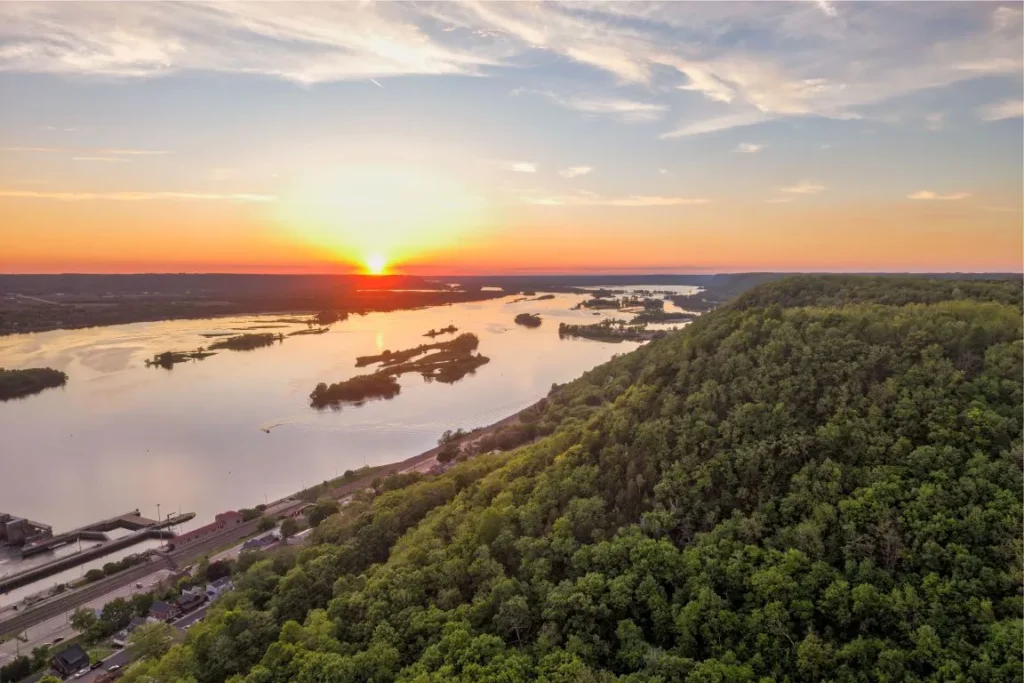
1. Amazon
The Amazon is one of the largest natural landscapes on Earth and stretches across several countries in South America. Its enormous area contains a remarkable variety of rivers, forests, and floodplain environments, along with one of the greatest concentrations of biodiversity known to exist.
The rainforest also plays an important role in the water cycle through evapotranspiration, the process through which plants release water vapor into the atmosphere. This mechanism contributes to the circulation of moisture across South America.
In Brazil, a significant portion of this natural wealth is protected by conservation areas. The Central Amazon Conservation Complex, for example, is recognized by UNESCO as a Natural World Heritage Site and includes protected areas containing different Amazonian ecosystems.
UNESCO — Central Amazon Conservation Complex
The Amazon stands out for much more than its size. Its combination of biodiversity, rivers, and different types of forests is one of the main reasons for its environmental importance.
2. Iguazu Falls
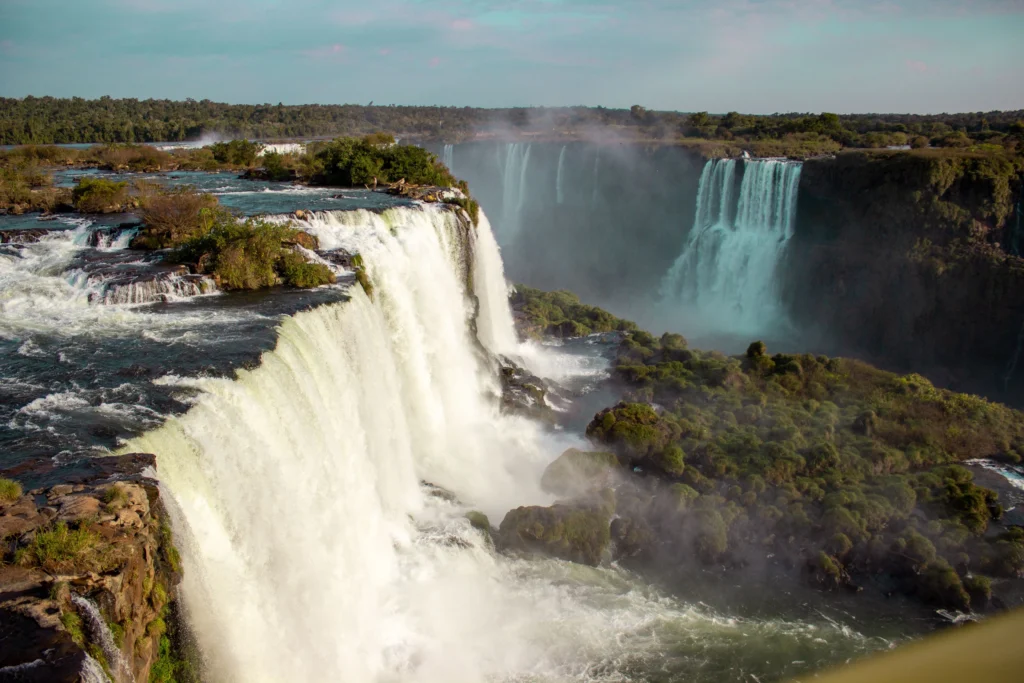
Located on the border between Brazil and Argentina, Iguazu Falls is a spectacular system of waterfalls formed by the Iguazu River. On the Brazilian side, the falls are located inside Iguaçu National Park, in the state of Paraná.
The waterfall system stretches for nearly three kilometers and includes drops reaching approximately 80 meters. The landscape was shaped by ancient volcanic processes that contributed to the formation of the region’s rocks and terrain.
Iguaçu National Park is also recognized by UNESCO as a Natural World Heritage Site. The park protects an important remnant of the Atlantic Forest and is home to a wide variety of plant and animal species.
3. Puerto Princesa Underground River
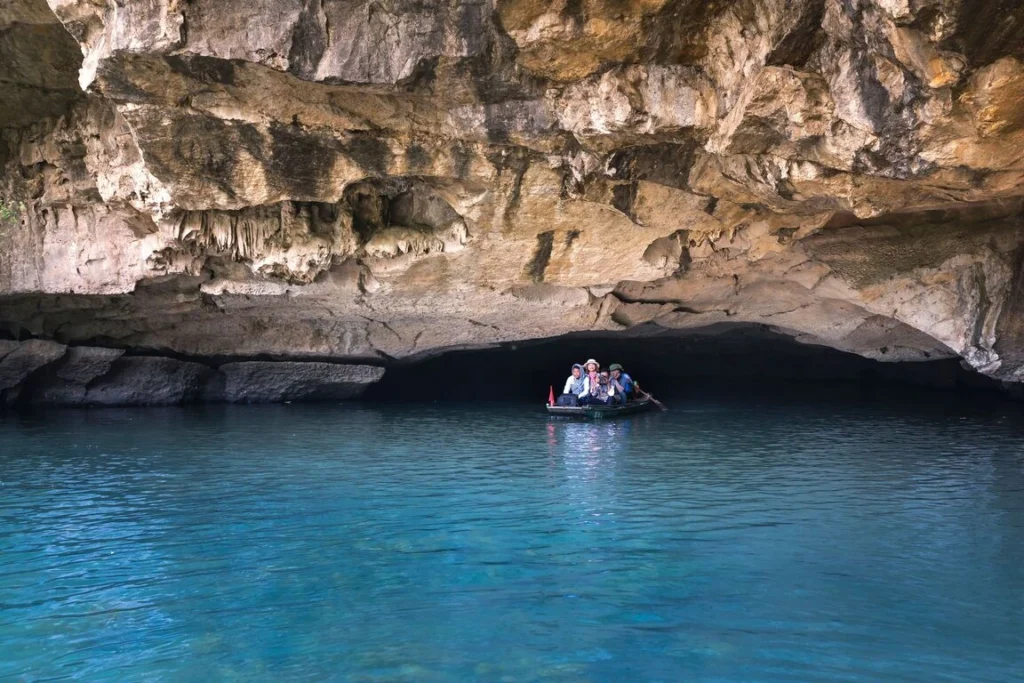
In the Philippines, the Puerto Princesa Underground River flows through a cave system formed in limestone rock. Located on the island of Palawan, the river passes through an underground landscape shaped by the action of water on the rock.
The site is part of a national park and is recognized by UNESCO as a Natural World Heritage Site. In addition to its caves, the region contains coastal ecosystems and significant biodiversity.
The site is a remarkable example of how relatively slow natural processes can create environments that are completely different from those found on the surface.
UNESCO — Puerto-Princesa Subterranean River National Park
4. Ha Long Bay
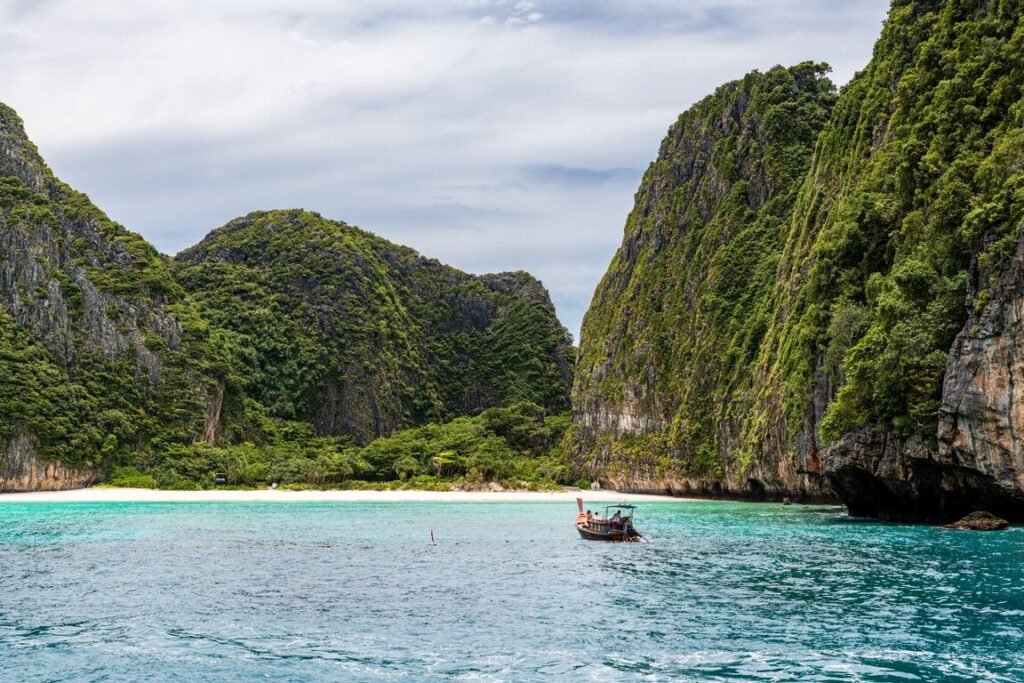
Located in northern Vietnam, Ha Long Bay is known for its countless islands and limestone formations rising from the sea. The landscape was shaped by geological processes that took place over long periods of time.
Today, the UNESCO-recognized site is officially known as Ha Long Bay – Cat Ba Archipelago. The area includes 1,133 islands and islets, along with caves, limestone towers, and other landforms shaped by the action of water.
UNESCO — Ha Long Bay – Cat Ba Archipelago
5. Jeju Island
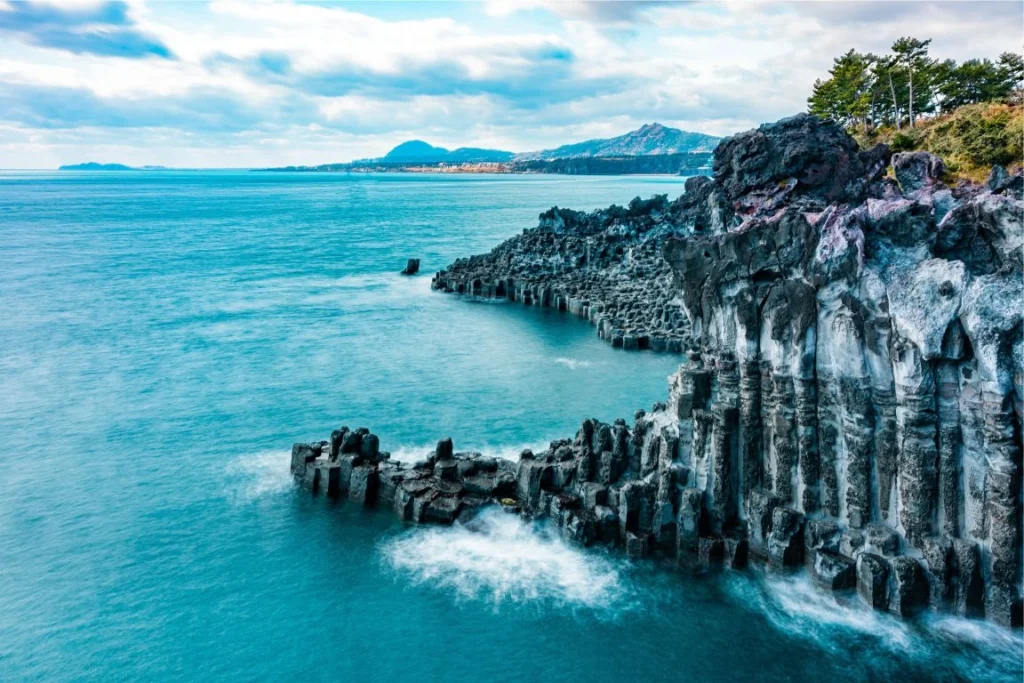
Jeju Island, in South Korea, has an origin directly linked to volcanic activity. Its landscape features volcanic rocks, formations created by ancient eruptions, and lava tube cave systems.
One of the island’s most important features is Hallasan, a shield volcano that dominates the local landscape. The variety of natural formations and ecosystems contributed to the region’s recognition as a World Heritage Site.
UNESCO — Jeju Volcanic Island and Lava Tubes
6. Komodo
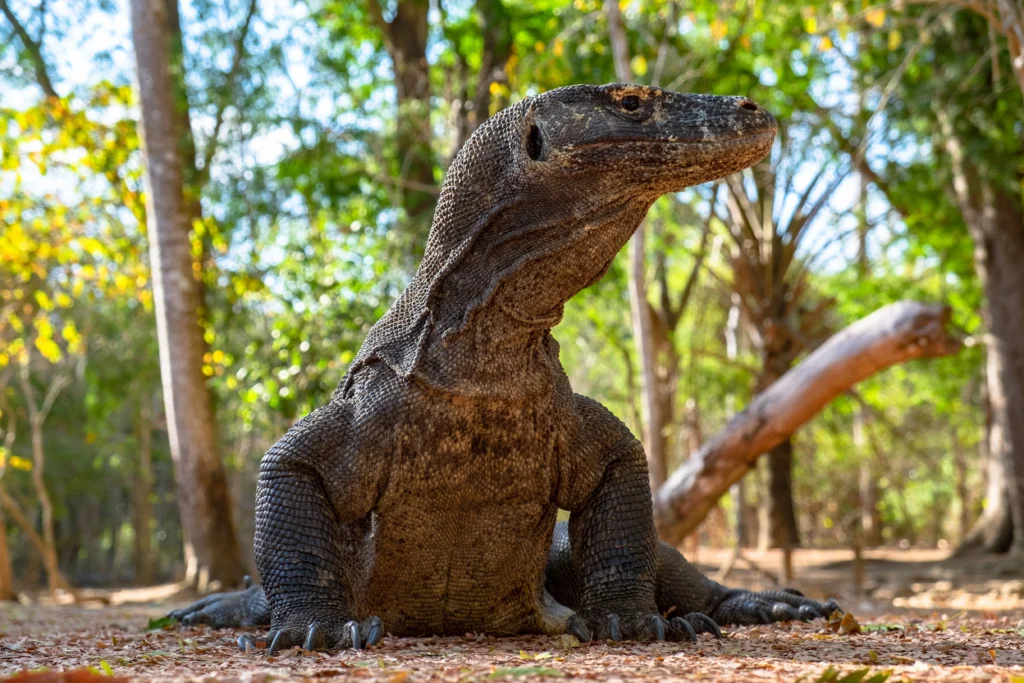
The Komodo archipelago in Indonesia became famous around the world because it is home to the Komodo dragon, considered the largest living lizard species.
Komodo National Park protects volcanic islands and a combination of terrestrial and marine environments. The region’s geographic isolation has also contributed to the presence of species that are not naturally found in other parts of the world.
The park is recognized by UNESCO as a Natural World Heritage Site and has an importance that extends far beyond its famous reptile.
7. Table Mountain
Located in Cape Town, South Africa, Table Mountain is easily recognized by its enormous flat summit. Its highest point reaches approximately 1,086 meters above sea level.
The mountain’s present-day shape is the result of a long geological history. Ancient sedimentary rocks were exposed to erosion over millions of years, helping create the cliffs and distinctive flat top that characterize the mountain.
The region is also part of an area known for its extraordinary plant diversity and the richness of the Cape flora.
UNESCO — Cape Floral Region Protected Areas

How were the 7 Natural Wonders of the World chosen?
The list was created by New7Wonders, the organization behind the international campaign that also selected the New 7 Wonders of the World.
The process began with more than 440 candidate sites from more than 220 countries and territories. In the next stage, 77 candidates were considered in the selection of the 28 finalists.
Finally, an international vote determined the seven natural wonders, with the results announced on November 11, 2011.
According to New7Wonders, the campaign received more than 500 million votes. This distinction is important: the 7 Natural Wonders of the World were selected through an international popular vote, rather than through a scientific ranking of the seven most important natural landscapes on Earth.
New7Wonders — New7Wonders of Nature
What makes the 7 Natural Wonders of the World special?
There is no single characteristic that explains why these places were selected. Each natural wonder combines different features, including biodiversity, geological formations, large-scale landscapes, and unique ecosystems.
- The Amazon stands out for its biodiversity and vast river systems;
- Iguazu Falls impresses with the sheer scale of its waterfall system;
- Puerto Princesa reveals how water contributes to the formation of caves;
- Ha Long Bay features an exceptional collection of limestone formations;
- Jeju Island demonstrates the effects of volcanic activity on the landscape;
- Komodo combines terrestrial and marine biodiversity with endemic species;
- Table Mountain reveals a geological history shaped by erosion.
Exploring these places also helps show that a beautiful landscape can have enormous scientific and environmental value. Protecting these environments means preserving species, ecosystems, and natural records from different periods of Earth’s history.
Which of these 7 Natural Wonders of the World would you most like to visit?
And between the Amazon and Iguazu Falls, which Brazilian destination would you choose for your next trip?
Conclusion
The 7 Natural Wonders of the World represent a collection of vastly different yet equally remarkable landscapes. Forests, waterfalls, caves, volcanic islands, and mountains demonstrate how natural processes can create extraordinary places.
Beyond tourism, these destinations remind us of the importance of protecting biodiversity and natural heritage. Learning about the history of each natural wonder also helps us understand why preserving these places matters.
FAQ
What are the 7 Natural Wonders of the World?
The 7 Natural Wonders of the World are the Amazon, Iguazu Falls, Puerto Princesa Underground River, Ha Long Bay, Jeju Island, Komodo, and Table Mountain. They are located across South America, Asia, and Africa.
When were the 7 Natural Wonders of the World chosen?
The results of the international vote were announced on November 11, 2011, following a selection process that began years earlier and went through several stages.
How many of the 7 Natural Wonders of the World are in Brazil?
Two of the selected natural wonders are connected to Brazil: the Amazon, which stretches across several South American countries, and Iguazu Falls, located on the border between Brazil and Argentina.
Are the 7 Natural Wonders of the World recognized by UNESCO?
Not as a single list. The seven natural wonders were selected by New7Wonders. Separately, several of the chosen sites have UNESCO designations, including World Heritage status, because of their natural and environmental value.
What is the largest of the 7 Natural Wonders of the World?
The New7Wonders list does not rank the sites from first to seventh. Therefore, there is no officially designated “largest” natural wonder within the selection. Each site was chosen as one of the seven natural wonders.
Why was the Amazon chosen as a natural wonder?
The Amazon combines an exceptional size with vast river systems, forests, and biodiversity. Its variety of ecosystems and environmental importance help explain why the region gained prominence in the international selection.
Are the 7 Natural Wonders of the World the only important natural landscapes on Earth?
No. The list is the result of an international campaign and popular vote. During the selection process, dozens of other locations were also considered, including famous destinations such as the Grand Canyon, the Galápagos Islands, and the Great Barrier Reef.







2 Comments