

When temperatures drop, the body changes how it behaves, some objects feel colder, and even simple tasks, such as starting a car, can become different. Here are several cold weather facts that may surprise you.
Cold weather is involved in phenomena that go far beyond the feeling of needing to put on a coat. Some of these situations have explanations in physics, chemistry, and biology and are part of our everyday lives. But why does all of this happen? Discover the main cold weather facts that explain these phenomena.
1. Ice Can Help Reduce Pain and Swelling
When an acute injury occurs, applying cold can help temporarily reduce pain and swelling. Cooling causes changes in blood vessels and reduces local blood flow during the application period.
For this reason, cold compresses can be used as an initial care measure for certain sprains and strains. However, ice should not be placed directly on the skin.
See also: How to Use Ice After a Bump or Swelling.
For muscle or joint injuries, current recommendations emphasize protecting the skin and limiting cold application to short periods, generally 20 to 30 minutes.
2. You Can Feel Very Cold During a Fever
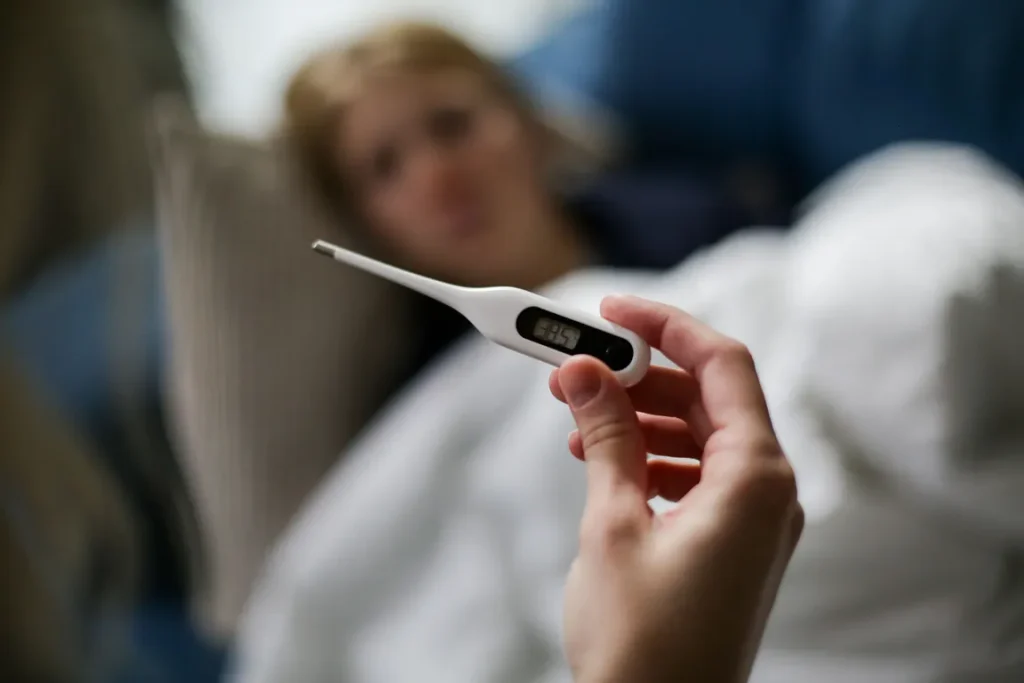
It may sound contradictory, but it happens. During a fever, the body changes the way it regulates its temperature. As a result, a person may experience chills and feel cold even while having an elevated body temperature.
That is why someone with a fever may want to cover themselves with blankets while the thermometer shows a temperature above normal.
3. Salt and Ice Can Cool a Drink Faster
If you have ever added salt to a bucket of ice to chill a drink, there is a chemical explanation behind this interesting cold weather fact.
Salt lowers the freezing point of water. As the ice melts, the mixture can reach a lower temperature than water and ice alone, allowing it to remove heat from a can or bottle more effectively.
That is precisely why this combination appears in traditional methods for speeding up the cooling of beverages.
4. Reproductive Cells Can Be Preserved at Very Low Temperatures
Sperm and eggs can be cryopreserved under specific conditions. Extremely low temperatures drastically reduce the biological activity of cells, allowing their viability to be preserved for extended periods.
This method is used in assisted reproductive treatments and also to preserve biological material for future use.
5. Metal Feels Colder Than Wood
Try a simple test: touch a metal surface and then a wooden one in the same room. You will probably feel that the metal is colder.
But the secret is not necessarily the temperature. Metal is a good thermal conductor and removes heat from your hand more quickly. Wood is more insulating and slows down this transfer.
This is one of the cold weather facts that surprises people most in everyday life.
In other words, the sensation of cold also depends on how quickly heat moves from one body to another.
6. A Cold Compress Can Help Relieve Inflammation and Swelling
Cold can also be used to temporarily relieve pain and swelling in certain situations. Cooling the area reduces local blood flow and the metabolic activity of tissues.
This effect helps explain why cold packs are so commonly used as an initial care measure for certain injuries. Even so, the appropriate treatment depends on the cause of the problem.
7. You May Urinate More When It Is Cold
Have you ever noticed that you may feel the need to use the bathroom more often on a cold day? One reason is that the body tends to lose less water through sweat when temperatures are low.
In addition, cold weather causes changes in circulation that may also contribute to this phenomenon. As a result, urine production can increase under certain conditions.
8. Cold Foods Can Be Part of Care After Dental Surgery
After certain dental procedures, a dentist may recommend cold foods or foods at an appropriate temperature during recovery. Cooling can help temporarily reduce local blood flow and relieve some swelling and discomfort.
This recommendation does not apply universally to every type of dental surgery. Therefore, the instructions provided by the professional responsible for the procedure should always be followed.
Post-Operative Care: What to Do After Dental Surgery
9. Extreme Cold Can Cause Hypothermia
Cold stops being merely a matter of discomfort when the body loses heat faster than it can produce it. During prolonged exposure, this can lead to hypothermia.
The condition occurs when the body’s core temperature falls below 35°C (95°F). Shivering, exhaustion, confusion, difficulty coordinating movements, slurred speech, and drowsiness are among the warning signs.
Hypothermia can occur not only in extremely low temperatures, but also when someone remains wet, exposed to wind, or in contact with cold water for an extended period.
São Paulo Municipal Health Department — Low Temperature Response
Hypothermia is a medical emergency. When significant warning signs appear, the person should be removed from the cold and receive medical attention as soon as possible.
10. Some Trees Lose Their Leaves During Cold Periods
Not all trees keep their leaves throughout the entire year. Species known as deciduous trees lose some or all of their leaves during certain periods as an adaptation to environmental conditions.
In regions where winter reduces the availability of liquid water or sunlight, losing leaves can help plants reduce water loss and conserve resources. Plant biology reveals some fascinating cold weather facts about survival.

11. Cold Weather Can Make It Harder to Start Cars Running on Ethanol
On cold mornings, some vehicles running on ethanol may have more difficulty starting, especially older systems or under certain conditions.
This happens because temperature affects fuel vaporization and the combustion process. Cold weather can also increase oil viscosity and slow some of the chemical reactions involved in the battery.
In modern vehicles, electronic management systems and specific technologies help reduce this problem.
12. Rubbing Alcohol on Your Skin Creates a Temporary Cooling Sensation
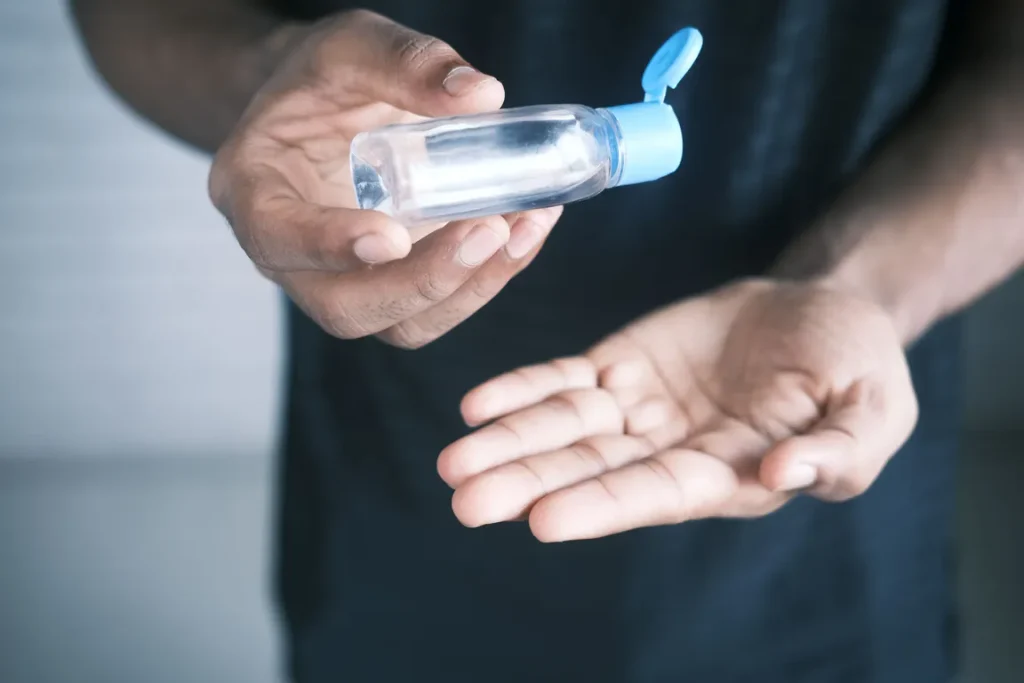
When alcohol is applied to the skin, it evaporates easily. During evaporation, heat is transferred from the skin’s surface to the liquid as it changes into a gas.
This loss of heat creates the sensation of coolness. The effect is temporary and disappears after the alcohol evaporates.
13. Alcohol Can Make You Feel Warm Without Actually Warming Your Body
On a cold day, it is common to feel warmer after drinking alcohol. This happens mainly because alcohol causes blood vessels near the skin to dilate.
More blood reaching the body’s surface increases the sensation of warmth. The problem is that this feeling does not mean the body is actually better protected against the cold.
In fact, increased blood flow to the skin can promote heat loss to the environment. Therefore, alcoholic beverages should not be used as a strategy to combat hypothermia.
CISA — Information Center on Health and Alcohol
14. Radiator Coolant Does Not Freeze Easily in Cold Weather
Although many people refer to the fluid in a vehicle’s cooling system as “radiator water,” the liquid used in vehicles normally contains specific additives.
These include antifreeze substances such as ethylene glycol, which lower the mixture’s freezing point. This helps the system continue operating at low temperatures and also contributes to protection against corrosion.
For this reason, it is best to use the product and mixture ratio recommended by the vehicle manufacturer instead of replacing the mixture with ordinary water.
Vehicle Manufacturer’s Manual — Coolant Specifications
15. Some People Feel More Pain on Cold Days
People who experience certain types of muscle or joint pain may notice increased discomfort when temperatures drop. The relationship between cold, atmospheric pressure, and pain has been studied, but there is no single explanation that applies to everyone.
Changes in circulation, muscle contraction, and changes in tissue sensitivity may contribute to the perception of discomfort. Therefore, experiencing more pain in cold weather is possible, but persistent or severe pain deserves professional evaluation.
These cold weather facts show how uniquely our bodies can respond to winter.
| Situation | Effect of Cold | What to Watch For |
|---|---|---|
| Acute injury | May temporarily reduce pain and swelling | Do not apply ice directly to the skin |
| Prolonged exposure | The body may lose heat rapidly | Watch for signs of hypothermia |
| Alcohol consumption | Increases the sensation of warmth on the skin | Does not mean the body is actually warm |
| Car in cold weather | Fuel, oil, and battery performance may be affected | Follow the manufacturer’s recommended maintenance |
| Metal and wood | Metal removes heat from the hand more quickly | The temperature may be the same for both materials |
Which of these cold weather facts had you already noticed in your everyday life? Had you ever paid attention to the difference between metal and wood or the sensation of warmth caused by alcohol?
And when a cold front arrives, which of these situations affects your routine the most: your body, your car, or simply finding it harder to get out of bed?
Conclusion: Cold Weather Facts
These cold weather facts show that cold affects far more situations than simply the sensation of low temperatures. It influences heat transfer, changes the body’s responses, affects materials, plants, vehicles, and even biological preservation techniques.
The important thing is to understand that each phenomenon has its own explanation. And when temperatures become very low, it is worth taking extra precautions, especially when there are signs of hypothermia or prolonged exposure to the cold.
FAQ
Why do we feel colder when we have a fever?
During a fever, the body changes how it regulates temperature. This change can cause chills and a sensation of cold even when body temperature is elevated. That is why a person with a fever may feel the need to cover themselves while having a temperature above normal.
Why does adding salt to ice make a drink cool faster?
Salt lowers the freezing point of water. As a result, a mixture of ice and salt water can reach a lower temperature than ice and water alone, making it easier to remove heat from a can or bottle placed in the mixture.
Should ice be placed directly on the skin?
No. Direct and prolonged contact with ice can cause cold-related skin injuries. When applying cold to an acute injury, it is recommended to use a barrier, such as a thin cloth, and limit exposure time according to appropriate first-aid guidance.
Does drinking alcohol help warm the body in winter?
No. Alcohol can create a sensation of warmth because it increases blood flow near the skin, but this does not actually warm the body’s core. In some situations, this effect can increase heat loss and contribute to the risk of hypothermia.
Can cold weather really cause hypothermia?
Yes. Hypothermia occurs when the body’s core temperature falls below 35°C (95°F). Shivering, exhaustion, confusion, impaired coordination, slurred speech, and drowsiness are warning signs. The condition requires prompt attention and can become a medical emergency.
Why can an ethanol-powered car take longer to start in cold weather?
Ethanol has different vaporization characteristics than gasoline, and low temperatures can make it harder to form the mixture needed for combustion. Cold weather also affects the oil and battery, which can contribute to a more difficult start.
Why does metal feel colder than wood?
Because metal is a better thermal conductor. When you touch it, heat from your hand is transferred quickly into the material. Wood slows down this heat exchange and therefore tends to feel less cold, even when both objects are at the same temperature.